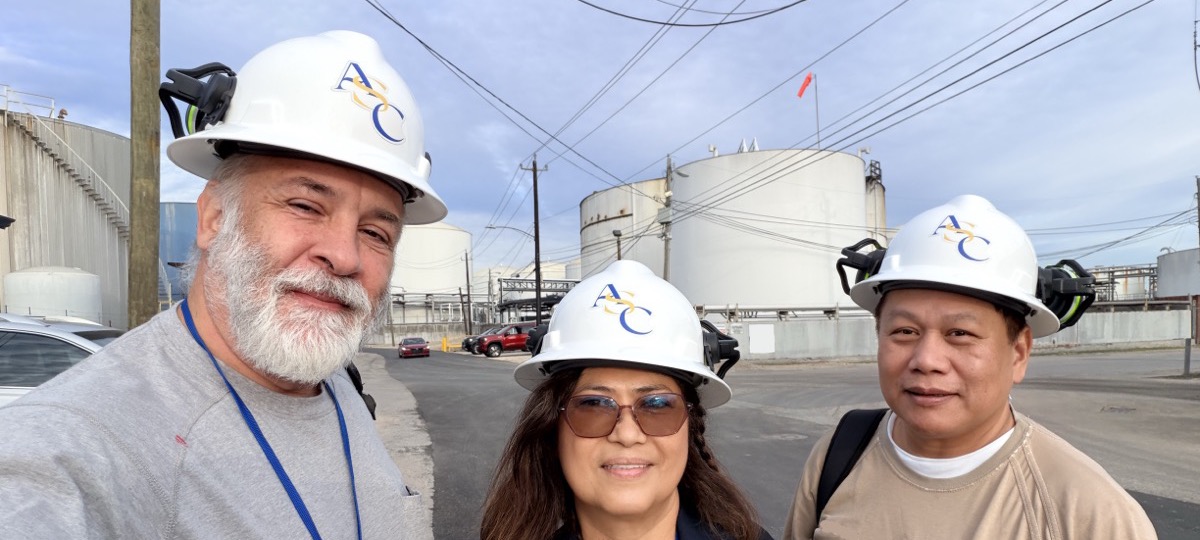
A container terminal is an industrial site. Cranes, automated gates, tank-farm controls, shore power, lighting, ventilation and building systems all run on operational technology (OT) whose first design goal was availability and safety, not security. As those systems have been connected to corporate networks, vendor portals and the internet, the attack surface has grown faster than the controls around it.
Securing OT is different from securing an office network. These are the principles we apply when we assess maritime facilities.
Safety and availability come first
A security control that can stop a crane or trip a pump is a safety risk. OT security work begins by understanding the process and the people who run it. Involve operations and engineering from day one; changes are tested, scheduled and reversible.
You cannot protect what you cannot see
Active scanning that works on an office network can disrupt fragile controllers. Prefer passive network monitoring and carefully scoped, coordinated inventory methods. Aim to capture, for every asset:
- Make, model, firmware version and function
- Network location and communication partners
- Vendor support status and known vulnerabilities
- Criticality to safety and cargo operations
Segment IT from OT, then segment within OT
Flat networks are the most common finding in our assessments. Use a layered model such as the Purdue Model or the zones-and-conduits approach in IEC 62443 to place systems into zones by function and criticality, and control the traffic between them. Start with the boundary between corporate IT and OT, enforced with a properly configured firewall and a demilitarized zone for any data that must cross.
Take control of remote access
Vendors need access to maintain equipment, and every unmanaged remote connection is a door. Consolidate remote access through a single, monitored path with:
- Multi-factor authentication
- Named accounts, no shared vendor passwords
- Time-limited, approved sessions
- Session logging, and recording where feasible
Patching and compensating controls
Many OT assets cannot be patched on a normal schedule, or ever. Where you cannot patch, compensate: isolate the asset, restrict the protocols it can speak, monitor it, and document the decision. A written, risk-based exception beats a silent gap.
Connect it to Subpart F
For MTSA-regulated facilities, the Coast Guard's Subpart F cybersecurity requirements make this work mandatory rather than optional. Your Cybersecurity Plan and assessment should explicitly address OT systems, the network boundaries around them, and the way you will respond to an incident that affects operations. The USCG's earlier guidance, NVIC 01-20, remains a useful reference for thinking about cyber risk at regulated facilities.
First 90 days
- Establish passive visibility and a baseline asset inventory
- Separate IT from OT at a defined, monitored boundary
- Consolidate and secure vendor remote access
- Back up configurations and test restoration
- Run a tabletop that includes operations staff
Good OT security is incremental and collaborative. Each step reduces risk without compromising the mission.